


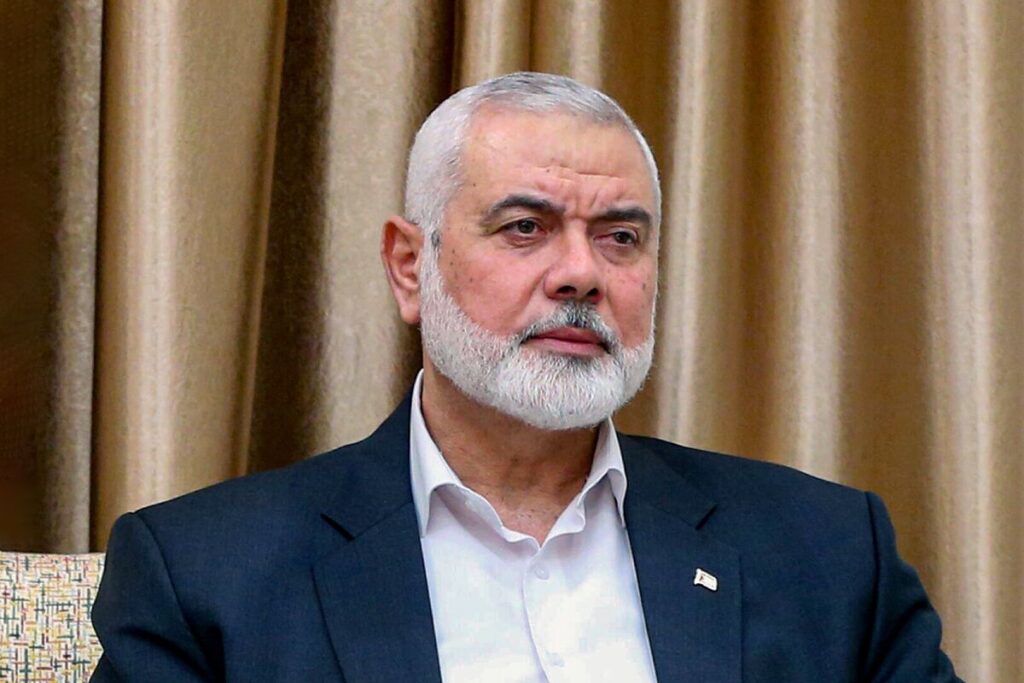
The Israeli Defense Minister Katz was caught off guard when, during the public speech- Israel had indeed assassinated former head of Hamas, Ismail Haniyeh, a few months ago in Tehran. This marks the first time that such an admission was made publicly by a high-ranking Israeli official about the involvement of Israel in the assassination of the Hamas leader.
Assassination Details
Assassinators supposedly killed Ismail Haniyeh July 31, 2024 in Tehran because that was when he attended swearing-in of Iranian newly elected President Masoud Peshkeshkian. According to foreign reports, Katz explained all that in a lecture at Iranian Ministry of Defence where, he threatened action against those whom he referred as rival movements, the group Houthis who are Yemen fighters.
What Katz said about pursuing Hamas leadership in Tehran, Gaza, and Lebanon chilled spines. “We will behead the Houthi leadership, just as we did with Ismail Haniyeh, Yahya Sinwar, and Hassan Nasrallah,” Katz commented. This is a testimony of how Israel has been targeting its rivals in the Middle East.
Israel’s Strategy Towards The Opposition
The statements by the Israeli Defense Minister are broader than Haniyeh’s assassination statement. Katz said that the state would continue to “strike at anyone who stands against it.” He further stated that any group or leader raising a hand against the state would face brutal consequence, as epitomized through “cutting their throats.”
Katz’s rhetoric is very relevant to the belligerent posturing Israel has adopted in the region, especially regarding Iran and its allies. His claims that Haniyeh is dead and that Israel has remained committed indicate that the war has not yet come to an end as Israel threatens to bring to book its enemies.
Regional Tensions Impact
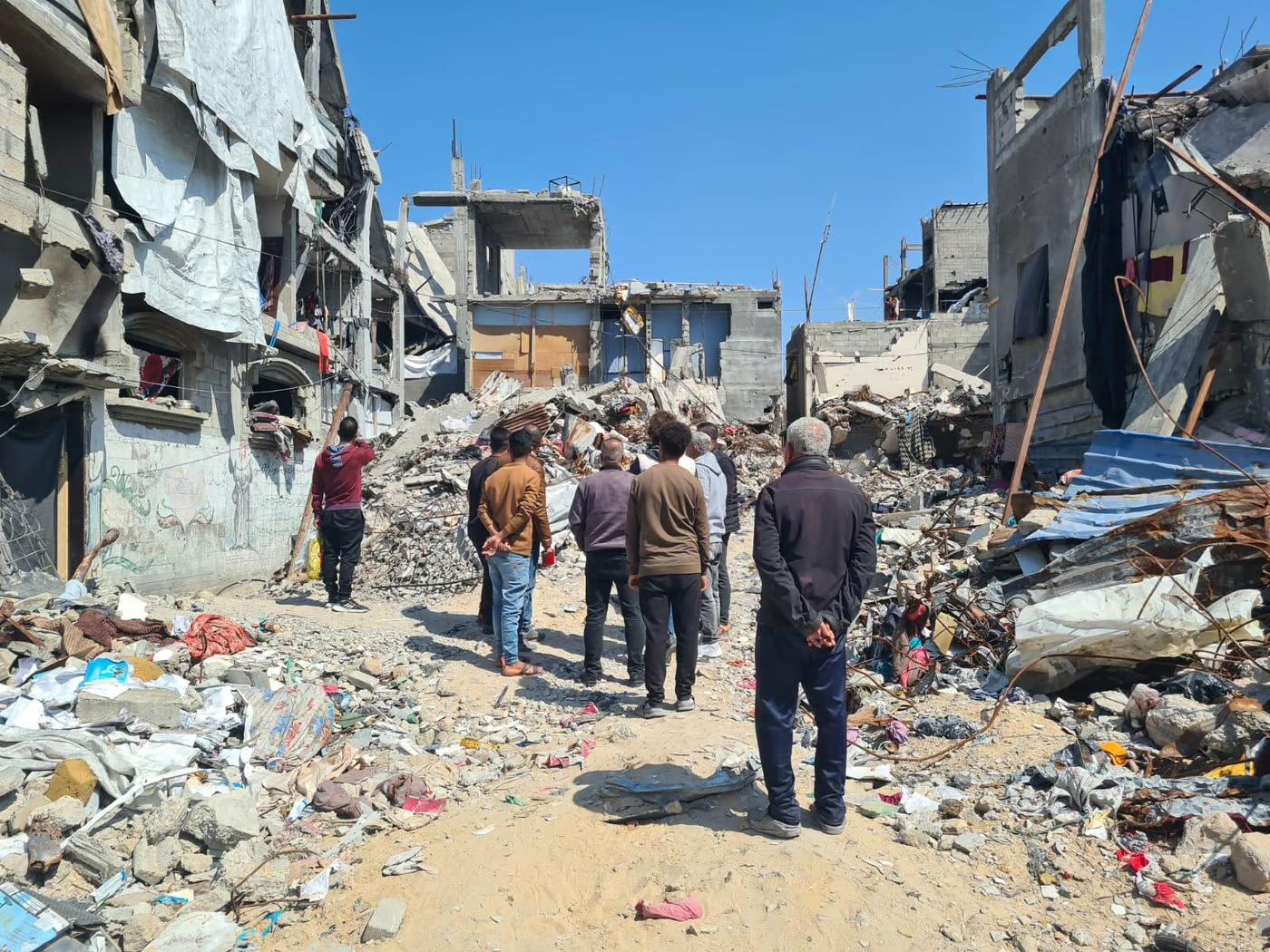
This confession comes in the wake of the increasing increase in violence between Israel, Iran, and several militia forces. Last December 2024, Israeli troops attacked Houthi bases, ports, and power plants in Yemen, killing dozens. The retaliations from Iran on account of the killing of Hamas leaders that include Haniyeh also continued to raise tension levels such as when Iran launched missiles at Israel last October.
Regardless of the fact that the Israelis boast of having captured most of them, several of them still penetrated into Israel without inflicting much damage. It was already a threat of the Iranian government that missile attacks would retaliate if Haniyeh and other important leaders associated with Iran’s military and Hamas were killed.
Response of Hamas after Haniyeh Slaying
The killing sparked an assurance of revenge from Hamas. The senior spokesman for Hamas Sami Abu Zuhri said that martyrdom for Ismail Haniyeh would never stop the resistance movement. He said that targeted killings “will not achieve Israel’s goals” and the Hamas resistance was more resolute than ever to keep pressing on in its battle for liberating Jerusalem.
The group has further condemned the assassination as a dastardly act that was executed by Israeli agents and vowed to respond to the killing. The defiant attitude of the group, however, symbolizes commitment to the cause it represents despite heavy loss to one of its most prominent leaders.
Bigger Picture
The killing of Ismail Haniyeh shows that the Middle East conflict is indeed very sensitive, where all the international forces are deeply intertwined in complex webs of alliances and hostilities. Open admissions by Israel on this attack would provoke the situation further to produce new confrontations in the region. The involvement of Iran, Hamas, Hezbollah, among others, injects a bit more depth into the larger strategic interests involved in the conflict in the geopolitical playing field.
Onlookers across the world now look on with hopeful eyes at hope that tension may ease off into a decrease in violence yet very well aware, at best, peace is an elusive dream.
Read More here: https://behindthecurtain.blog/umt-markhors-triumph-over-nurpur-lions-by-29-runs-to-secure-t20-cup-final-spot/