


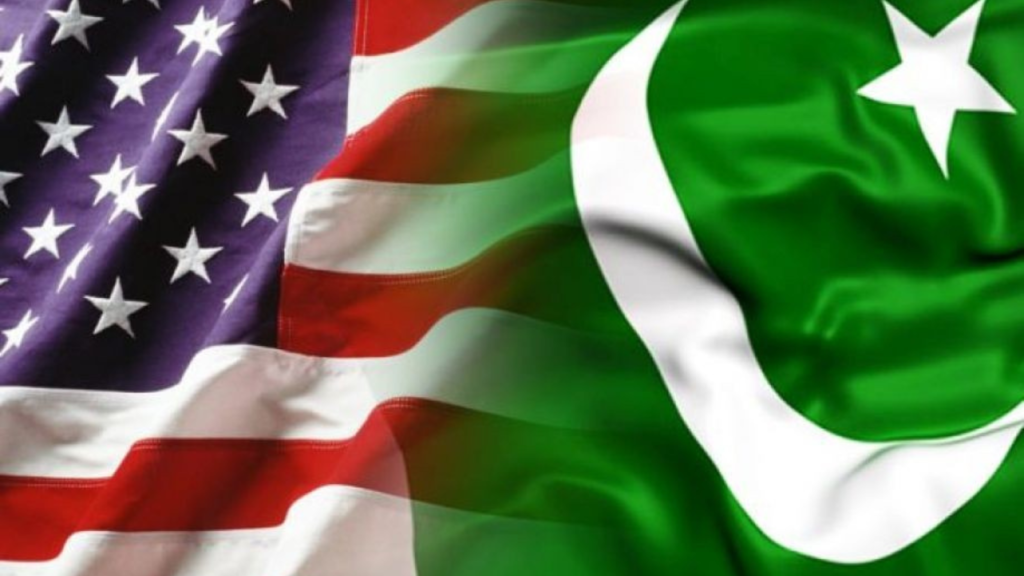
As the US Election draws near, attention gets focused on the race, and this attention does not bypass the public of Pakistan or the diaspora from both the US and Pakistan. With each candidate coming forth with a policy stand, questions cannot but be raised concerning implications for Pakistan, more particularly concerning the diplomatic, economic, and security relations that Pakistan maintains with the United States. Many of these discussions bypass very elementary structural factors that shape US foreign policy, such as a changing regional focus for Washington and strategic changes within its approach toward Pakistan. Now with the US’s departure from Afghanistan, an enhanced US-India partnership, and increasing Pakistan-China engagement, Washington’s approach toward Pakistan has dramatically changed in nature and is primarily devoted to stability and security-related interests rather than the betterment of bilateral ties.
US-Pakistan Relations: A Strategic Re-evaluation
For a pretty long time, US-Pak relations were largely influenced by the US’s security imperative in the region, most notably during its extended stint in Afghanistan. However, since the withdrawal of US forces, the strategic direction has been altered, and now the centrality of Pakistan in the foreign policy agenda of the United States is diluted. Washington has begun to mend ties with New Delhi; Pakistan, on the other hand, has gravitated towards China. Thus, a new emerging trend is there that the foreign policy approach towards Pakistan highlights counter-terrorism activities, ensuring regional stability, and ascertaining that Pakistan does not create military threats to the US and its partners.
Given these security priorities, US engagement is largely limited to Pakistan’s military establishment, which guides the country’s nuclear and counter-terrorism policies. Imposition of recent sanctions on entities linked to Pakistan’s missile programs indicates that Washington remains focused on containing Pakistan’s influence over regional security without expanding broader political or economic relations.
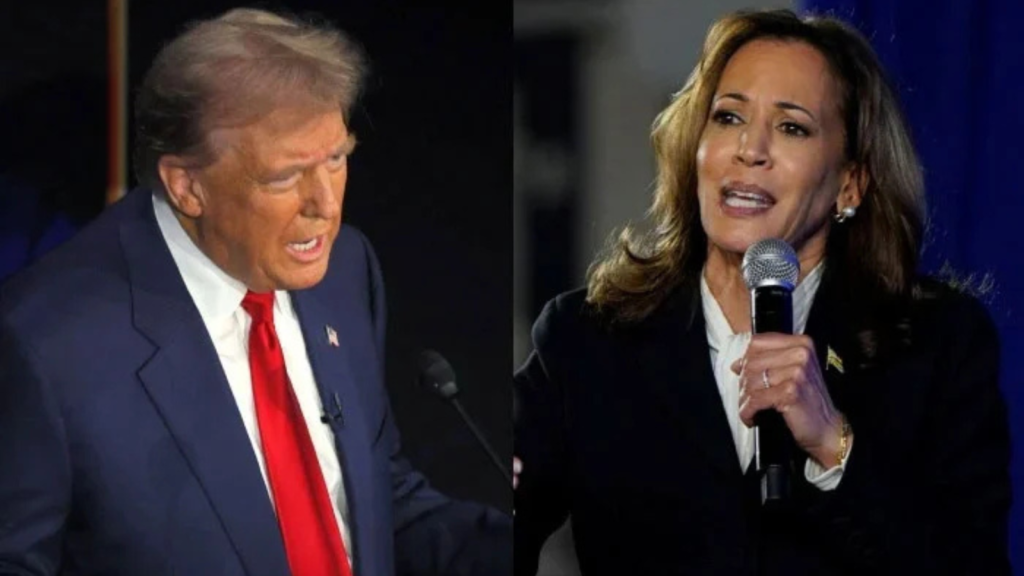
Possible Changes Under a Harris or Trump Administration
The election outcome is likely to affect the US-Pakistan relationship at the margins. The two candidates are expected to approach this relationship with different perspectives, but the framework for that relationship would remain within Washington’s security-driven prism.
Harris Administration: The Kamala Harris administration would be a continuation of the Biden administration on diplomacy, counterterrorism, and climate resilience. The commitment of the Biden administration toward human rights might bring such issues into prominence in the US-Pakistan relationship. With Harris centering her message on environmental policies, Pakistan should see the government expand in support for more climate adaptations as this county is climate vulnerable. For Iran, Harris can finally open new diplomatic lines as an incentive to the rest of Pakistani interest especially toward energy security.
Donald Trump: This would probably lean toward Trump, focusing primarily on transacting an amount of mutual security from that country rather than addressing concerns pertaining to their human rights abuses or poor democratic behavior, which tends to take on a focus in all forms of governmental administrations. Trump’s attitude might embolden Pakistan towards the military-led governance since it is likely to augment the national security posture in Pakistan with fewer checks of democratic principles. However, the strong stance of the Trump administration on China as well as climate change issues would hinder Pakistan’s efforts and create tensions in areas linked with Pakistan’s debt settlement with China.
Low strategic importance: The peripheral position of Pakistan
Although their leadership styles differ, the two presidential candidates share a bipartisan recognition of Pakistan’s secondary place in US foreign policy. Today, Islamabad remains closely tied to Washington through perspectives on counterterrorism, China’s influence in Asia, and the regional balance of power with India.
Major US engagement areas are likely to stay concentrated on Pakistan’s military and counter-terror capabilities. Pakistan’s military establishment will probably remain Washington’s principal interlocutor in Islamabad because it maintains the center security decision-making authority in all fields, including anti-terrorism efforts and the handling of nuclear assets. The ongoing trend therefore suggests that Pakistan has low chances of emerging as a central player in a more integrated US foreign policy.
Prospects for a Deeper Bilateral Relationship
While Pakistan has lost some of its critical strategic importance to Washington, its steps in regional security and economic stability may keep the United States engaged with it. If Pakistan warms up to India by normalizing relations, there may be a new element of positive momentum in US-Pakistan relations. Meanwhile, greater cooperation with these countries may be encouraged given that improved ties with Saudi Arabia and the UAE are seen as consistent with Washington’s overall goals for regional architecture. Pakistan’s economic reforms which might attract non-Chinese investments could also interest Washington especially in a world wherein the global supply chain might change.
Conclusion
A new US administration may barely impact Pakistan’s status since foreign policy is more centered on counterterrorism, the need for regional stability, and ensuring China’s influence can be managed. Despite the differences, both of them are going to carry forward a policy attitude that security and stability issues overrule democratic tenets with Pakistan’s military machinery as the pivot of U.S.-Pakistan relations. American Pakistanis who seek substantial changes in policy, the reality is that Washington’s power-play diplomacy will continue to dominate its meager engagement with Pakistan.
Read More News here: https://behindthecurtain.blog/imaan-mazari-arrested-with-husband-for-interfering-in-government-affairs/